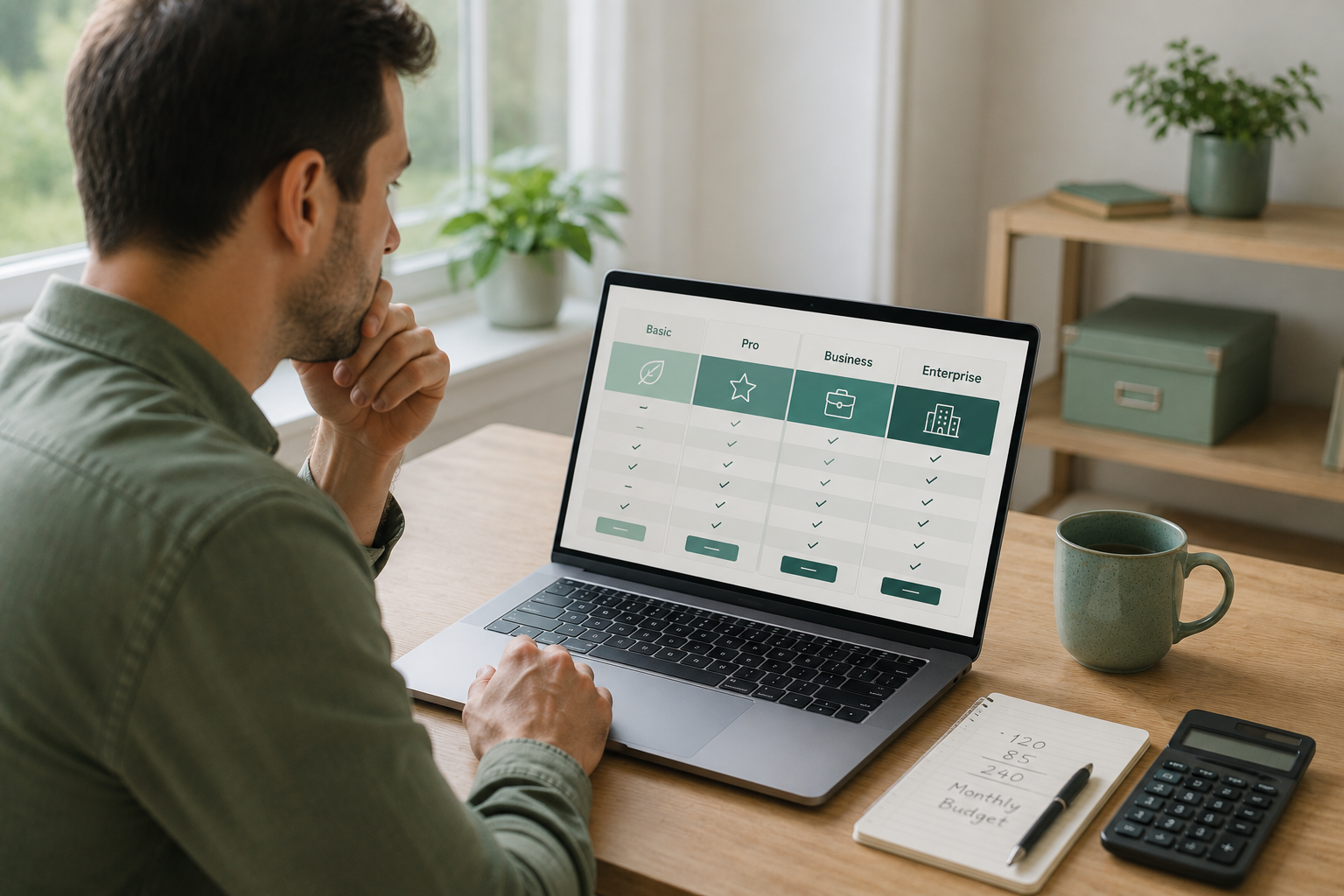
Trint sells transcription on a seat-based subscription, not per minute. The Starter plan runs around $80/month per seat with a 7-file monthly cap; the Advanced plan is around $100/month per seat and removes the cap. Enterprise is custom-quoted.
That's the short answer. Trint targets newsrooms and content teams that ingest a lot of audio, so the pricing rewards heavy users and punishes anyone who only needs one or two files a month.
What does Trint cost per month?
As listed on Trint's pricing page:
- Starter — ~$80/seat/month, 7 files/seat/month, 3-hour file limit
- Advanced — ~$100/seat/month, unlimited transcription
- Enterprise — custom (SSO, dedicated support, scaled vocab and seats)
Annual billing typically trims around 20% off the sticker. Prices are quoted in USD; UK and EU customers see GBP/EUR at checkout. Trint has repackaged plans more than once, so verify the live numbers before you commit a card.
Is Trint priced per minute or per hour?
Neither. Trint is a seat-based SaaS subscription, so you're paying for a license — not metered audio. That's a structural difference from per-minute services like Rev or pay-as-you-go tools that charge only when you transcribe.
If you want a per-hour mental model: Advanced at ~$100/month works out to under $5/hour at heavy use (20 hours/month) and over $50/hour if you only transcribe two hours. The fewer files you push through, the worse your effective rate.
What does the Starter plan actually include?
The cheapest plan is genuinely a starter — fine for a freelancer with predictable, low volume, restrictive for anyone else:
- 7 files/seat/month
- Up to 3-hour files
- Editor, speaker labels, in-transcript search
- Export to DOCX, TXT, SRT, VTT, JSON, CSV
- English-first transcription
- One workspace, one user
The 7-file cap is the part most people underestimate. A focus-group week or a multi-source investigation can burn through it on day one, and there's no buy-extra-files lever — you upgrade the seat.
What does Advanced add for the higher price?
Advanced is the plan most editorial teams actually buy:
- Unlimited file uploads (within fair use)
- 40+ supported languages
- Custom vocabulary (names, jargon, brand terms)
- Team collaboration on transcripts
- Stitching multiple recordings into one transcript
- Higher length limits per file
If you're a newsroom or production team ingesting tens of hours of audio every week, Advanced is competitive. The shift from "metered" to "all you can transcribe" is the entire point of the plan.
Are there hidden costs to watch for?
A few to know about before you sign up:
- Translation is often metered separately or only on higher tiers
- Trint Live (live captioning) is a separate product with its own pricing
- Additional seats are the most common cost spike — every user on the workspace is a seat, not a checkbox
- Storage beyond your plan can be charged
- Longer-than-3-hour files push you off Starter regardless of file count
Trint also reprices and repackages periodically, so what you saw last year may not match today's plan page.
How does Trint compare on price?
The honest answer: it depends on volume.
- Per-minute APIs like Rev AI run ~$0.02/min — cheaper at low volume, scales linearly with usage
- Otter runs $8.33–$20/seat/month with generous included minutes — much cheaper for individuals
- VTS charges only when you transcribe, with no subscription floor — fits unpredictable volume
- Trint Advanced at ~$100/seat/month makes sense above roughly 20 hours/seat/month
We walked the field in our Trint alternatives post — most teams that switch away cite the seat-based pricing, not accuracy. For a wider view of what audio transcription actually costs across the market, see how much AI transcription really costs.
Is Trint worth the subscription?
Trint earns its sticker for newsrooms, journalists, podcast networks, and large content teams ingesting predictable, high-volume audio every month and using the editor and collaboration features daily. The Advanced plan's per-hour math is competitive at scale, and the workflow is built for editorial review.
It's the wrong shape for freelancers, researchers with a handful of interviews per quarter, students, or anyone whose audio volume is lumpy. You pay a monthly floor for seats you barely use. If that sounds like you, transcribe a file when you actually have one and skip the subscription model entirely.
Paste any public link or upload a file and get a clean transcript in minutes. First 3 clips every month are on us — no card required.